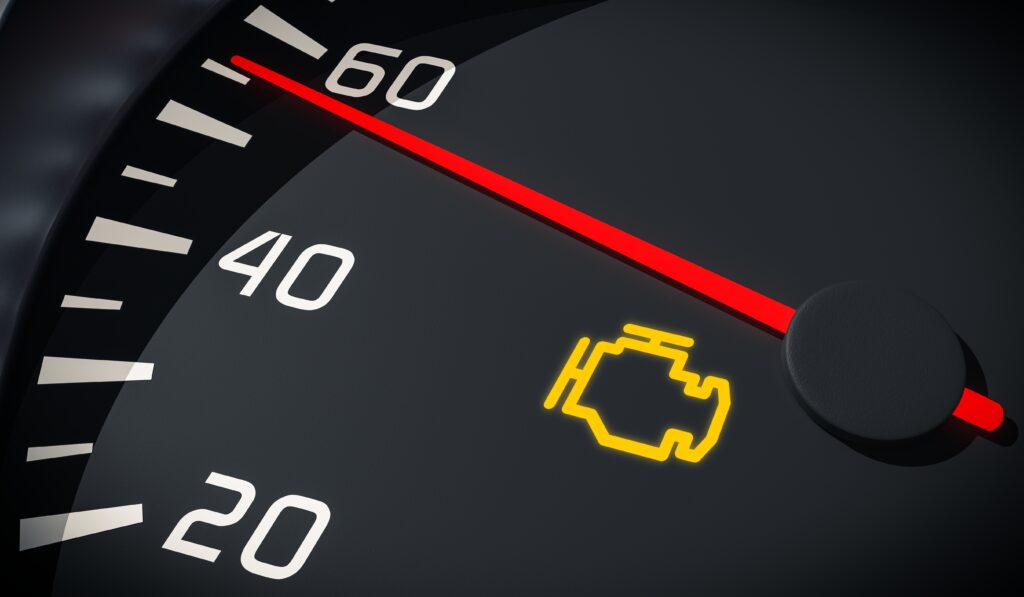
Few things worry Boise drivers more than seeing the check-engine light turn on during winter—especially when the car seems to be running just fine. At Naylor’s Auto Repair, one of the most common cold-weather issues we diagnose every winter is related to the EVAP system. Many Idaho drivers are surprised to learn that EVAP leaks are far more likely to trigger warning lights in cold weather, even when nothing feels wrong behind the wheel.
This article takes a clear, fact-based look at why EVAP-related check-engine lights are so common in Idaho winters, what trouble codes like P0442 and P0455 actually mean, and how professional smoke testing quickly finds leaks that are nearly impossible to detect otherwise. The goal is education and reassurance—helping drivers understand what’s happening and when action is truly needed.
What the EVAP System Does and Why It Matters
The EVAP system, short for Evaporative Emissions Control System, is designed to prevent gasoline vapors from escaping into the atmosphere. Fuel naturally evaporates, even when your car is parked. Instead of releasing those vapors, the EVAP system captures and stores them in a charcoal canister and then routes them back into the engine to be burned during normal driving.
This system includes several components working together:
- The gas cap
- EVAP hoses and vapor lines
- The charcoal canister
- Purge and vent valves
- Pressure and leak detection sensors
Unlike systems that affect drivability, EVAP problems rarely change how your vehicle feels. That’s why drivers are often confused when a check-engine light appears in winter with no noticeable symptoms.
Why EVAP Leaks Appear More Often in Idaho Winters
Cold Temperatures Shrink Seals and Hoses
Boise winters regularly bring overnight temperatures well below freezing. Rubber hoses, plastic connectors, and seals contract in cold weather. Even components that seal perfectly in summer can develop tiny gaps in winter, allowing fuel vapors to escape.
These small changes are enough to trigger the vehicle’s onboard diagnostics. Modern vehicles are extremely sensitive to pressure changes within the EVAP system, especially during self-tests that run overnight or during cold starts.
Freeze-Thaw Cycles Create Stress
Idaho’s winter weather often includes daytime thawing followed by nighttime freezing. This repeated expansion and contraction stresses EVAP hoses and fittings. Over time, small cracks form or existing weak points open just enough to fail a system integrity test.
This is why many drivers report that the check-engine light winter issue appears suddenly after a cold snap, even if the car has been running fine for months.
Fuel Vapor Behavior Changes in Cold Air
Cold air affects how fuel vapors behave inside the EVAP system. Pressure changes occur more rapidly during cold starts, making it easier for the system to detect leaks that may not show up in warmer conditions.
The result is a spike in EVAP-related diagnostic codes during Boise winters, even on vehicles with no history of emissions issues.
Common Winter EVAP Codes: P0442 and P0455 Explained
P0442: Small EVAP Leak Detected
Code P0442 indicates a small leak somewhere in the EVAP system. This could be something as simple as a slightly worn gas cap seal or as complex as a hairline crack in a vapor line.
In winter, P0442 is often triggered by:
- Gas cap seals stiffened by cold
- Minor hose shrinkage
- Temporary sealing issues that worsen overnight
While not an emergency, a persistent P0442 should be inspected to prevent the issue from growing worse.
P0455: Large EVAP Leak Detected
Code P0455 points to a larger leak or a system that cannot hold pressure at all. Common causes include:
- A loose or damaged gas cap
- Disconnected or broken EVAP hoses
- Stuck open vent or purge valves
Cold weather can exaggerate these problems, making existing weaknesses impossible for the system to ignore.
Why the Check-Engine Light Often Appears Overnight
Many EVAP self-tests run when the vehicle is parked and the engine is cold. Idaho’s overnight temperatures create ideal conditions for these tests. If pressure drops too quickly during the test, the system flags a fault and turns on the check-engine light by morning.
This explains why many Boise drivers start their car on a cold winter morning only to be greeted by a warning light with no warning the night before.
Why EVAP Problems Rarely Affect Driving Performance
One of the most reassuring facts about EVAP leaks is that they rarely impact safety or drivability. Your engine, brakes, and transmission are not affected by most EVAP faults. The vehicle can usually be driven safely in the short term.
However, ignoring the issue long-term can lead to:
- Reduced fuel efficiency
- Failed emissions tests
- Masking of other potential engine problems
- Additional component wear
At Naylor’s Auto Repair, we emphasize calm assessment rather than panic. An EVAP leak is usually an emissions issue, not a breakdown risk.
How Smoke Testing Finds EVAP Leaks Fast
Why Visual Inspections Often Fail
EVAP systems are sealed and complex. Many hoses run above fuel tanks, behind shields, or through tight spaces. Small leaks are nearly impossible to spot visually, especially in winter when grime and road salt coat everything.
Guessing leads to unnecessary part replacements and higher repair costs.
What Smoke Testing Does
Smoke testing introduces non-toxic, pressurized smoke into the EVAP system. Wherever smoke escapes, there is a leak. This method allows technicians to pinpoint:
- Cracked hoses
- Faulty seals
- Leaking canisters
- Sticking valves
Smoke testing is especially effective for EVAP leak Boise winter cases, where cold-induced leaks are often very small but persistent. For a deeper look, see our detailed guide on EVAP leaks and smoke testing in Boise.
According to the Environmental Protection Agency, smoke testing is one of the most accurate diagnostic methods for modern EVAP systems because it eliminates guesswork.
Why Winter Makes Smoke Testing Even More Important
Cold-weather EVAP leaks are often intermittent. A hose may seal during the day and leak at night. Smoke testing under controlled conditions replicates the pressure changes that trigger winter fault codes, allowing technicians to confirm the problem rather than waiting for it to reappear.
At Naylor’s Auto Repair, smoke testing saves customers time, money, and repeat visits—especially during Idaho’s long winter season.
When to Address a Winter EVAP Check-Engine Light
It’s Reasonable to Monitor Briefly If
- The light appeared after a sudden temperature drop
- The vehicle runs normally
- The light turns off after a few days of warmer weather
Temporary cold-related sealing issues can sometimes resolve on their own.
Schedule an Inspection If
- The light stays on for more than a few days
- Codes P0442 or P0455 return repeatedly
- You smell fuel vapors
- You’re due for emissions testing
Early diagnosis prevents small leaks from becoming larger, more expensive problems. Scheduling local car repair in Boise early often keeps costs lower.
Professional Insight From Naylor’s Auto Repair
Every winter, EVAP-related check-engine lights become one of the most common concerns we see in Boise. In most cases, drivers are relieved to learn that the issue is manageable and not a sign of imminent failure.
Our approach is education first. We explain what the code means, why winter triggered it, and whether immediate repair is necessary. When repairs are needed, smoke testing ensures accuracy and avoids unnecessary part replacement. We also back our work with confidence, including our included 2-year warranty.
Semantically Relevant FAQs About EVAP Leaks in Winter
Can cold weather alone cause an EVAP leak code?
Yes. Cold temperatures can shrink seals and hoses enough to trigger a leak detection fault, even if the system seals properly in warmer months.
Is it safe to drive with an EVAP leak in winter?
In most cases, yes. EVAP leaks typically do not affect braking, steering, or engine power. However, they should not be ignored indefinitely.
Why does my check-engine light turn off on its own?
If temperatures rise or moisture evaporates, temporary sealing issues may resolve, allowing the system to pass its self-test.
Does a loose gas cap really cause EVAP codes?
Absolutely. A worn or improperly tightened gas cap is one of the most common causes of P0442 and P0455 codes, especially in cold weather.
Will EVAP leaks cause my car to fail emissions testing in Idaho?
Yes. An active EVAP-related check-engine light will typically result in a failed emissions test.
How long does smoke testing take?
Most smoke tests can be completed in under an hour, depending on vehicle design and leak location.
Do EVAP repairs get worse if ignored through winter?
They can. Cold-weather leaks often worsen as materials continue to contract and age, leading to larger failures by spring.
Why Boise Drivers See EVAP Issues More Than They Expect
Boise’s climate combines cold nights, mild daytime warming, and frequent winter driving. These conditions stress EVAP systems more than consistently cold or consistently warm climates. Add in road grime and fuel vapor pressure changes, and winter becomes the perfect environment for EVAP faults to surface.
Understanding this pattern helps drivers stay informed rather than alarmed.
Seeing a check-engine light during an Idaho winter doesn’t automatically mean something is seriously wrong. In many cases, it’s your EVAP system responding to cold-weather stress. Knowing how EVAP leaks show up, what codes like P0442 and P0455 mean, and how smoke testing finds problems quickly allows Boise drivers to make smart, confident decisions.
If a winter check-engine light lingers or returns repeatedly, a professional inspection provides clarity and peace of mind—exactly what winter driving should include.