As winter loosens its grip on the Treasure Valley, many Boise drivers find themselves at a familiar crossroads: studded tire season is ending, roads are drying out, and it’s time to decide what comes next. At Naylor’s Auto Repair, this seasonal transition sparks a steady stream of questions from local drivers who want to stay safe, legal, and comfortable without making the wrong tire choice for spring.
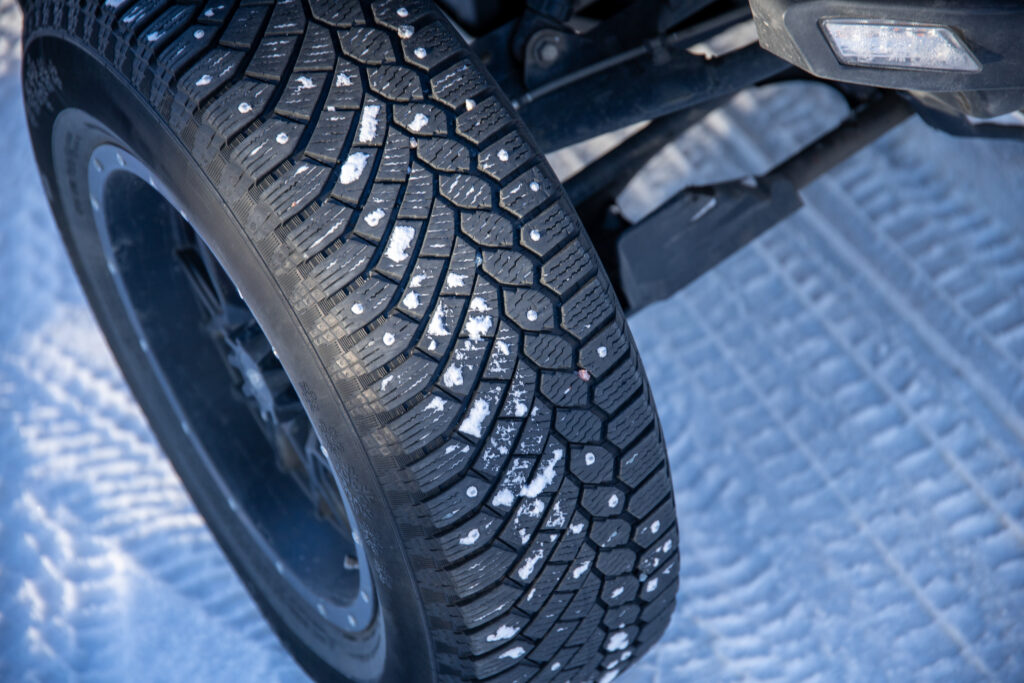
Studded tires are incredibly effective on ice and hard-packed snow, but once spring arrives, they quickly become a liability rather than an asset. This article breaks down Idaho studded tire laws, explains why the timing of your tire change matters, and walks through the best spring traction options for Boise roads—especially all-season and all-weather tires. The goal is simple: help Idaho drivers make an informed switch that fits local conditions, not just the calendar.
Idaho Studded Tire Laws: The Dates Matter
Idaho law clearly defines when studded tires are allowed on public roads. According to the Idaho Transportation Department, studded tires are legal from:
- October 1 through April 30
After April 30, driving with studded tires on public roadways can result in fines. These regulations are not arbitrary. Studded tires cause significantly more road wear once pavement temperatures rise and ice is no longer present. Removing studs on time helps protect Idaho’s infrastructure and improves safety for everyone.
For Boise drivers, this deadline can feel awkward. Spring weather is unpredictable, and a cold snap or late-season snowstorm can still occur in April. However, by this point in the year, ice is no longer the dominant road hazard, and the disadvantages of studded tires begin to outweigh their benefits.
Why Studded Tires Stop Making Sense in Spring
Studded tires are purpose-built for one thing: traction on ice. Once roads shift to wet and dry pavement, their performance drops quickly.
Reduced Grip on Bare Pavement
Studs reduce the amount of rubber contacting the road surface. On dry or wet asphalt, that means:
- Longer stopping distances
- Reduced cornering traction
- Less predictable braking behavior
In emergency situations, this reduced contact can increase stopping time when it matters most.
Excessive Noise and Vibration
Boise drivers often report a dramatic increase in road noise as soon as the pavement dries out. Studded tires:
- Create a constant clicking or buzzing sound
- Transmit vibration through the steering wheel
- Make highway driving less comfortable
Once winter traction is no longer necessary, these downsides become hard to ignore.
Accelerated Tire Wear
Studded winter tires use soft rubber compounds designed for cold temperatures. As spring temperatures rise, those compounds wear rapidly, shortening tire lifespan and reducing the value of an expensive winter set.
Understanding Boise’s Spring Driving Conditions
Choosing the right replacement tire means understanding what Boise roads actually look like in spring.
Typical conditions include:
- Cool mornings and warmer afternoons
- Frequent rain instead of snow
- Mostly dry pavement
- Occasional overnight freezes early in the season
For most Treasure Valley drivers, daily commuting happens on clear roads with wet-weather risks rather than snowpack. Tires need to handle rain, temperature swings, and dry pavement, not ice.
Option One: Switching Back to All-Season Tires
For many Boise drivers, all-season tires remain the most practical spring and summer solution.
Why All-Season Tires Work Well in Boise
All-season tires are designed to balance:
- Dry traction
- Wet braking
- Ride comfort
- Fuel efficiency
They perform best in temperatures consistently above freezing and provide predictable handling for everyday driving.
Who All-Season Tires Are Best For
All-season tires are ideal if you:
- Drive primarily within Boise and the surrounding suburbs
- Avoid mountain passes in winter
- Already use dedicated winter tires
They are widely available, cost-effective, and familiar to most drivers.
Limitations to Keep in Mind
All-season tires are not winter tires. They are not designed for:
- Icy mountain roads
- Heavy snow accumulation
- Year-round winter performance
They are a compromise—but for spring and summer in Boise, a very effective one.
Option Two: All-Weather Tires for Year-Round Flexibility
All-weather tires have grown in popularity across Idaho, especially for drivers who want simplicity.
What Makes All-Weather Tires Different
All-weather tires are designed to:
- Perform in both warm and cold temperatures
- Meet winter traction standards
- Carry the Three-Peak Mountain Snowflake symbol
They are not the same as all-season tires. All-weather tires are legally recognized as winter-capable.
Why Boise Drivers Are Choosing All-Weather Tires
All-weather tires are a strong option if you:
- Want one tire set year-round
- Occasionally drive into the foothills or mountain areas
- Prefer not to store seasonal tires
They perform well in spring rain, summer heat, and light-to-moderate winter snow.
Trade-Offs to Understand
All-weather tires may:
- Costs more upfront
- Wear faster than summer-only tires
- Not match studded tires on sheer ice
For many Boise drivers, the convenience and versatility outweigh these drawbacks.
Option Three: Summer Tires (For a Smaller Audience)
Some drivers switch to dedicated summer tires after stud season, though this is less common in Idaho.
When Summer Tires Make Sense
Summer tires are best for:
- Performance-oriented vehicles
- Drivers who avoid cold-weather travel
- Those seeking maximum dry and wet grip
They offer excellent handling and braking on warm pavement.
Why Summer Tires Aren’t Ideal for Most Boise Drivers
Spring mornings in Boise can still dip near freezing. Summer tires lose flexibility and traction in cold conditions, making them less forgiving for typical Idaho weather swings.
When Should Boise Drivers Make the Switch?
Timing is about more than a single warm day.
General guidance:
- Watch for consistent overnight temperatures above freezing
- Follow extended forecasts rather than one storm
- Plan your change before April 30 to stay legal
Most Boise drivers are well-served by switching tires in early to mid-April, depending on driving habits.
What to Check During a Spring Tire Change
Removing studded tires is an ideal time for preventive inspections. It’s also part of preparing your vehicle for changing seasons and setting your car up for warmer weather.
Recommended checks include:
- Tire tread depth and wear patterns
- Proper inflation for warmer temperatures
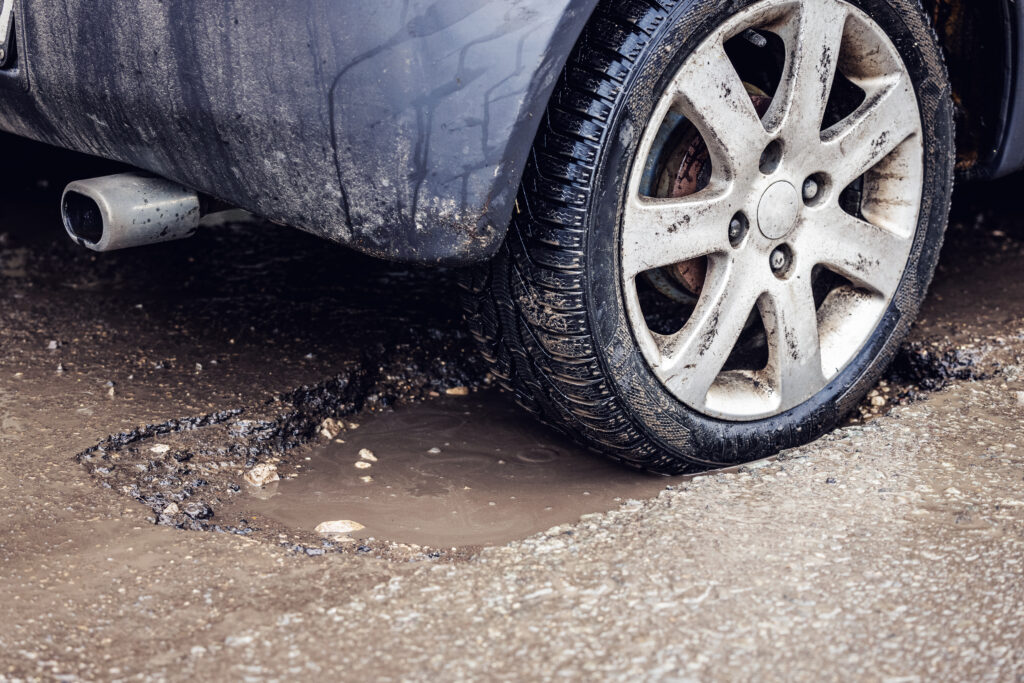
- Wheel alignment after winter potholes
- Brake condition after months of winter driving
Catching issues early prevents uneven tire wear and improves handling.
Why Tire Choice Impacts Safety Beyond Traction
Tires affect far more than snow grip. The wrong tire choice can influence:
- Emergency braking distance
- Steering response
- Ride comfort and noise
- Fuel efficiency
As road conditions change, matching the tire to the season keeps your vehicle predictable and safe.
Local Perspective From Naylor’s Auto Repair
Every spring, Boise drivers tell us the same thing: “I didn’t realize how bad my studs felt until they came off.” The difference in noise, steering smoothness, and braking confidence is immediate.
At Naylor’s Auto Repair, we help drivers choose tires based on:
- Daily driving routes
- Winter travel habits
- Budget considerations
- Storage availability
There is no single right answer—only the right fit for your lifestyle.
Frequently Asked Questions About Studded Tires and Spring Driving in Idaho
When do studded tires have to come off in Idaho?
Studded tires are legal through April 30. After that date, they should be removed to avoid fines on public roads.
Are all-weather tires legal year-round in Idaho?
Yes. All-weather tires that carry the Three-Peak Mountain Snowflake rating are legal for use year-round in Idaho.
Are all-season tires good enough for Boise spring driving?
Yes. All-season tires perform well in the wet and dry road conditions that are most common in Boise during spring.
Will removing studded tires improve ride quality?
Yes. Most drivers notice less road noise, smoother steering, and more consistent braking once studded tires are removed.
Can I wait until May to change my studded tires?
Waiting past April 30 risks fines and unnecessary tire wear, even if spring temperatures still feel cool.
Choosing the Right Tire for the Season Ahead
Studded tires play an important role in Idaho winters, but they are not designed to stay on year-round. As Boise roads transition to spring conditions, switching to the right tire improves safety, comfort, and compliance with state law.
Whether you choose all-season tires for simplicity or all-weather tires for year-round flexibility, the key is making the change intentionally—not reactively. Understanding your options allows you to move confidently into spring, knowing your vehicle is prepared for what Boise roads actually deliver next.