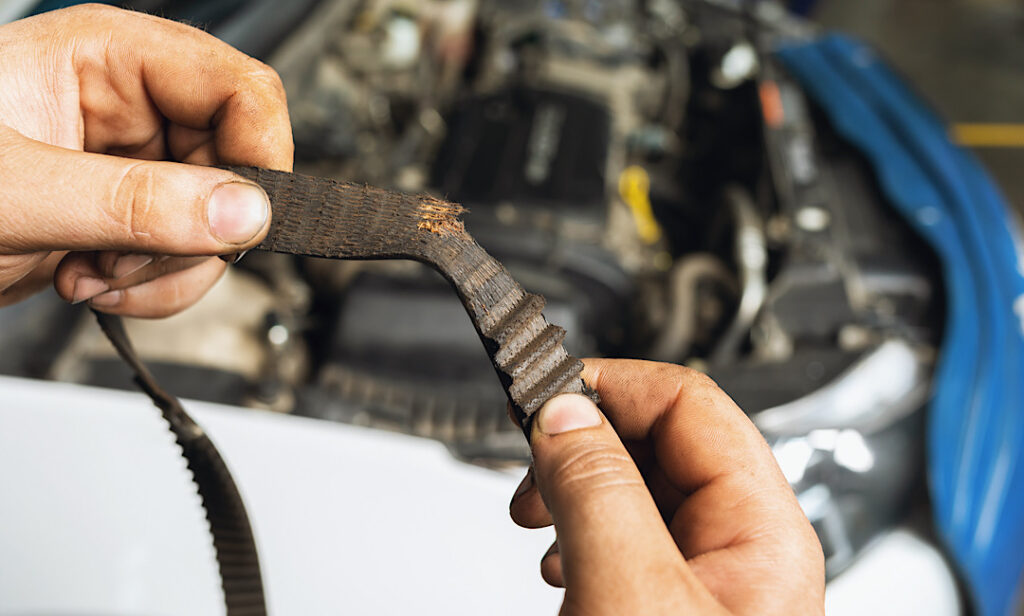
The timing belt is essential in maintaining the rhythmic pace between your engine’s pistons and valves. But what happens when this vital piece fails? As one of the most trusted auto mechanics in Boise, we at Naylor’s Auto Repair want to share some important information about timing belts and how to prevent potentially catastrophic damage from happening to your car.
Can You Drive on a Broken Timing Belt?
No! If the timing belt breaks while driving, pull over as safely and quickly as possible and turn off the engine immediately to prevent further damage. The vehicle will need to be towed to a repair shop for further inspection and repair. The timing belt is integral to the synchronized operation of the engine, coordinating the movements of the pistons and valves.
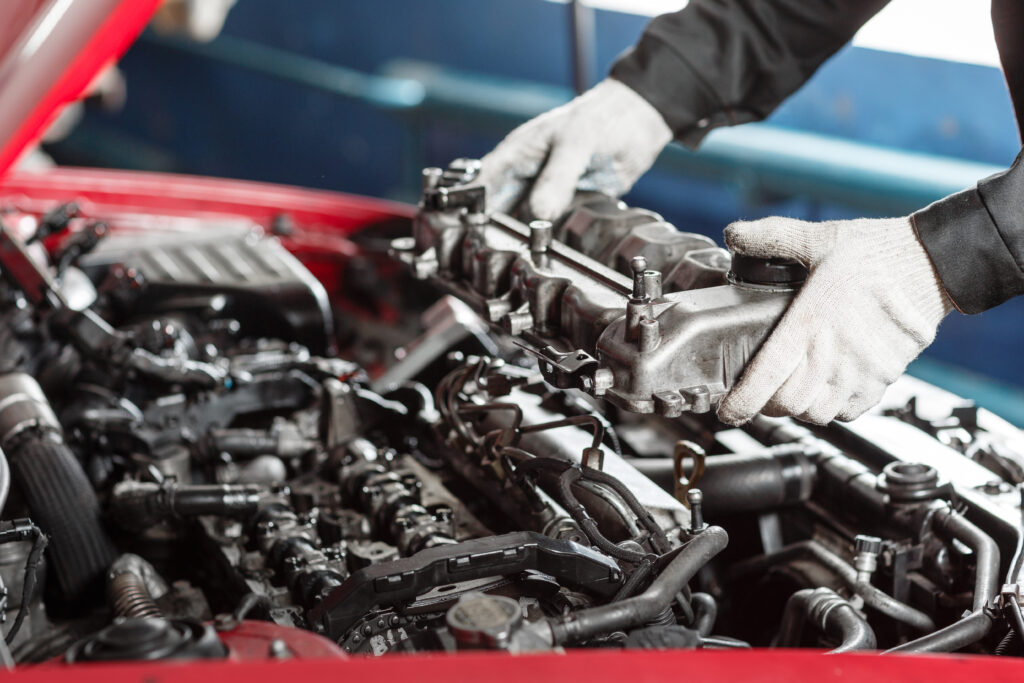
A broken belt can cause these components to collide, significantly damaging the cylinders, rocker arms, push rods, and valves. Repairs for such damage can be extensive (read: expensive!) potentially requiring a new engine. Learn more about the risks and solutions in our guide to engine repair. In severe cases, engine damage can even total the car, which is why it’s imperative you stop driving the moment you recognize the timing belt has broken.
If you’re unsure how often your belt should be replaced, learn more about how often to replace a timing belt to avoid unexpected failure.
What Are the Warning Signs a Timing Belt Will Break?
While a timing belt can break without much indication, there are some warning signs that might alert you to its upcoming failure. These include:
A ticking noise from the engine while it’s running
Difficulty starting or turning over the engine
The sound of the engine misfiring while driving
Visible oil leakage from the front side of the motor
Hydroplaning in dry road conditions
Illumination of the check engine light
A noticeable decline in engine performance
Paying attention to these warning signs and bringing your car in for inspection can prevent the destructive consequences of a broken timing belt.
How to Prevent a Harmful Timing Belt Break
Preventing timing belt failure involves proactive measures and regular maintenance. Following a consistent proactive maintenance schedule helps prevent unexpected breakdowns and costly repairs. Extreme temperatures and dry climates can accelerate belt wear, necessitating more frequent replacements.
To protect your timing belt—and your engine—consider:
Storing your car in a garage to protect it from extreme temperature changes
Getting regular oil changes and addressing any water leaks promptly. Dirty or degraded oil can impact engine components over time—learn more about what happens if you don’t get an oil change.
Having the timing belt assessed every 60,000 miles or every five years
Proactively replacing aging timing belts
At Naylor’s Auto Repair, our technicians can evaluate the health of your car’s timing belt and provide informed recommendations for replacement to save you a headache in the future.
Visit Naylor’s Auto Repair for Timing Belt Repair
When it comes to the health of your timing belt and engine, trust the experts at Naylor’s Auto Repair. Our skilled technicians are proficient in identifying and addressing timing belt issues, ensuring your vehicle operates smoothly and stays reliable. Our comprehensive auto repair services are designed to keep your vehicle safe and dependable year-round.
Don’t wait until a small issue becomes a major repair. Call us or schedule your appointment online through our Contact Page today.
Timing Belt FAQs
What happens if a timing belt breaks while driving?
If a timing belt breaks while driving, the engine will immediately stop running. In many vehicles, internal components like pistons and valves can collide, causing severe engine damage that may require costly repairs or full engine replacement.
Will a broken timing belt destroy my engine?
In vehicles with interference engines, a broken timing belt can bend valves, damage pistons, and harm the cylinder head. This often leads to extensive repairs and, in some cases, total engine failure.
How long can you drive with a bad timing belt?
You should not drive with a bad timing belt. Even if the vehicle seems to run normally, failure can occur without warning and cause major engine damage within seconds.
What are the warning signs of a bad timing belt?
Common signs include ticking noises from the engine, misfiring, difficulty starting, oil leaks near the timing cover, poor engine performance, and the check engine light turning on.
How much does timing belt replacement cost compared to engine repairs?
The timing belt replacement cost is significantly lower than repairing engine damage caused by a broken belt. Replacing the belt proactively can save thousands in potential engine repairs.