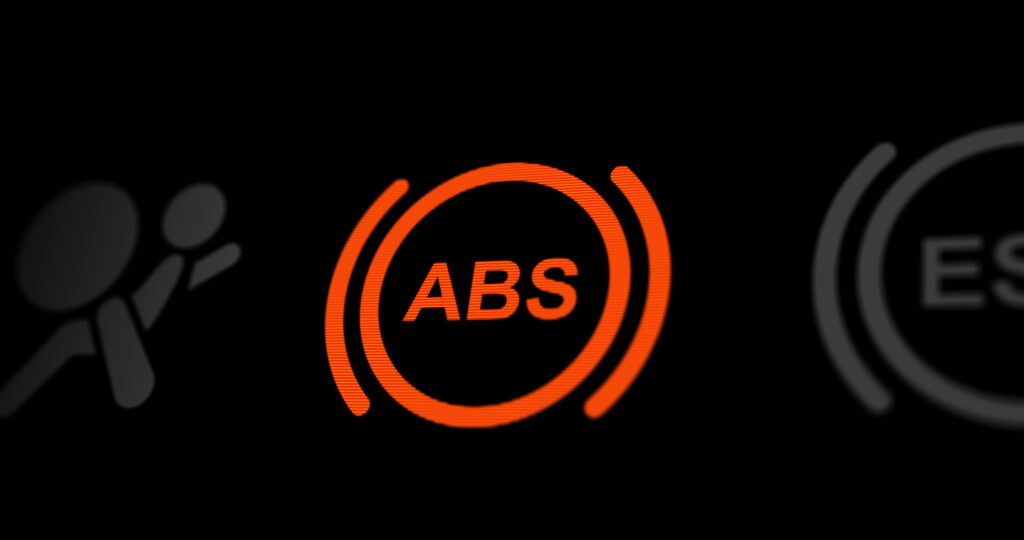
If you drive through a Boise winter, seeing your ABS light suddenly turn on after a snowstorm can be unsettling. Many drivers immediately worry that their brakes are failing or that it’s unsafe to keep driving. At Naylor’s Auto Repair, we regularly help Boise drivers understand winter brake warnings, especially ABS lights that appear after snow, ice, and slush hit the roads. The good news is that in many cases, an ABS light after a snowstorm is not an emergency. The key is knowing when it’s safe to monitor the situation and when it’s time to schedule an inspection.
This article explains how winter conditions affect ABS systems, why wheel speed sensors are especially sensitive in cold, wet weather, and how Boise drivers can make informed, safety-focused decisions without unnecessary panic.
How the ABS System Works in Simple Terms
Anti-lock Braking Systems, commonly known as ABS, are designed to prevent your wheels from locking up during hard braking. Instead of allowing tires to skid on slick surfaces, ABS rapidly pulses brake pressure so you can maintain steering control. This technology is especially valuable during Boise winters, when snow and ice reduce traction.
ABS relies on wheel speed sensors mounted near each wheel. These sensors constantly measure how fast each wheel is rotating. If the system detects that one wheel is slowing down faster than the others, it intervenes to prevent a skid. When everything is clean and functioning properly, this process happens silently in the background.
When sensors cannot send accurate data, the system disables itself and turns on the ABS warning light to alert the driver.
Why Snowstorms Trigger ABS Lights in Boise
Snow, Ice, and Road Grime Buildup
Boise roads during winter are a mix of snow, ice, sand, and de-icing chemicals. While these treatments improve traction, they also create grime that builds up around wheel hubs and brake components. Wheel speed sensors sit in exactly the wrong place for winter driving conditions.
Packed snow, slush, or frozen debris can temporarily block a sensor’s signal. When the ABS module receives inconsistent or missing data, it triggers the warning light even though the brakes themselves are still mechanically sound—one of the many common vehicle repairs we see seasonally.
Temperature Swings and Moisture Intrusion
Boise winters often involve freezing nights followed by daytime thawing. This cycle allows moisture to seep into sensor connectors and wiring. When temperatures drop again, that moisture can freeze, interrupting the electrical signal just enough to cause a fault code.
This is one of the most common reasons we see ABS light Boise winter complaints that resolve themselves after a few dry, warmer days.
Road Salt and Corrosion
Although Idaho does not use salt as aggressively as some states, de-icing agents still accelerate corrosion. Over time, corrosion can weaken sensor connections or cause rust buildup on the tone ring that sensors read. Winter conditions often expose these borderline components, making the ABS light appear shortly after a storm.
When It’s Usually Safe to Ignore the ABS Light Temporarily
One of the most important points for drivers to understand is that an ABS warning does not mean you have lost all braking ability. Your standard braking system still works. ABS simply becomes inactive until the issue is resolved.
In many Boise winter scenarios, it is reasonable to monitor the light briefly if:
- The ABS light came on immediately after driving through deep snow or slush
- The vehicle drives and stops normally
- The light turns off after the car dries out or warms up
- No other warning lights appear
In these cases, the issue is often a temporary sensor obstruction rather than a failed component. Cleaning the wheel wells and driving for a short period in dry conditions may allow the system to reset itself.
At Naylor’s Auto Repair, we often hear from customers whose ABS lights turned off on their own once winter grime cleared. That outcome is common and usually harmless.
When an ABS Light Is Actually a Problem
The Light Stays On for Several Days
If the ABS light remains illuminated after roads dry and temperatures stabilize, the issue is no longer temporary. Persistent warning lights often indicate a failing wheel speed sensor, damaged wiring, or corrosion that needs professional attention through local car repair in Boise.
ABS Light Appears With Other Brake Warnings
If the ABS light is accompanied by a red brake warning light or a traction control warning, inspection should not be delayed. Multiple warnings can indicate shared sensor data problems or hydraulic issues that affect vehicle stability systems.
Noticeable Changes in Braking Behavior
While ABS being disabled does not eliminate braking, changes such as uneven braking, pulling to one side, or grinding noises should always be evaluated promptly. These symptoms suggest mechanical brake issues beyond sensor interference and may require additional services such as wheel alignment services.
Repeated Winter Recurrences
If your ABS light comes on every winter after snowstorms, that pattern usually points to aging sensors or wiring vulnerable to moisture. Repeated seasonal failures often mean replacement is the safer long-term solution.
Wheel Speed Sensor Issues Explained
Wheel speed sensors are one of the most common winter-related brake concerns we see. These sensors operate in harsh environments year-round, but winter accelerates wear.
Common sensor-related problems include:
- Cracked sensor housings that allow moisture inside
- Brittle wiring insulation caused by cold temperatures
- Rust buildup is interfering with sensor readings
- Loose connectors that lose contact during vibration
According to the National Highway Traffic Safety Administration, ABS-related issues are among the most frequently reported winter brake complaints, largely due to sensor sensitivity rather than catastrophic failure.
Why Boise Drivers Feel ABS Issues More in Winter
Boise’s climate creates unique conditions. Snowstorms are often followed by partial melts, creating slushy roads that refreeze overnight. This repeated freeze-thaw cycle is especially hard on sensors and wiring.
Additionally, rural and suburban roads around Boise, Meridian, Kuna, and Eagle often accumulate more sand and debris than heavily plowed city streets. That debris increases the chance of sensor contamination.
What To Do When Your ABS Light Comes On After Snow
A calm, step-by-step approach keeps you safe and prevents unnecessary repairs.
First, safely inspect your vehicle after parking. Look for packed snow around the wheels and gently clear visible buildup.
Second, note when the light appears. Did it come on immediately after a storm? Did temperatures drop sharply overnight? These details help technicians diagnose the issue faster during complimentary digital vehicle inspections.
Third, monitor the light for a short period. If it turns off within a day or two of dry driving, it was likely temporary.
Finally, if the light remains on, schedule an inspection. Modern vehicles store diagnostic trouble codes that pinpoint the exact sensor or circuit involved. You can request an estimate if the warning persists.
Professional Insight From Naylor’s Auto Repair
Our technicians see winter ABS warnings every year, and most are not emergencies. However, ignoring a persistent warning can reduce safety on icy roads where ABS provides its greatest benefit.
Based on real-world experience, we recommend inspections when the light lasts longer than a few days or returns repeatedly. Early diagnosis often prevents more expensive repairs by addressing corrosion or wiring issues before failure spreads.
At Naylor’s Auto Repair, we focus on education first. Our goal is to help Boise drivers understand what their vehicle is telling them so they can make confident, informed decisions.
Frequently Asked Questions About ABS Lights in Winter
Can I still drive safely with the ABS light on?
Yes, standard braking still works. However, ABS will not activate during emergency stops, which is especially important on icy Boise roads.
Will snow alone damage my ABS system?
Snow itself usually does not cause permanent damage. Problems occur when moisture combines with corrosion or existing wear.
Does the ABS light mean my brakes will fail?
No. ABS warnings indicate a system assist issue, not total brake failure.
Can washing my car fix the ABS light?
Sometimes. Removing packed snow, salt, and grime can restore sensor signals if the issue is temporary.
How much does it cost to fix wheel speed sensor issues?
Costs vary depending on the vehicle and sensor location, but early repairs are typically far less expensive than ignoring repeated warnings.
Seeing your ABS light after a Boise snowstorm does not automatically mean danger, but it should never be dismissed without context. Understanding how winter conditions affect sensors helps drivers stay calm, safe, and proactive. When in doubt, a quick inspection provides clarity and peace of mind, especially during Idaho’s most challenging driving season.