Hybrid vehicles are known for efficiency, smooth operation, and reduced maintenance compared to traditional gasoline engines. However, one lesser-known vulnerability in many hybrid systems is the inverter coolant pump. When this component fails, it often does so quietly — without dramatic warning lights or obvious early symptoms — until overheating occurs suddenly.
For Boise hybrid owners, especially those driving Toyota Prius models and similar systems, understanding hybrid inverter pump failure is essential for preventing unexpected breakdowns and expensive electrical damage.
Unlike conventional engine overheating, hybrid cooling system failures can affect the high-voltage inverter — one of the most critical and expensive components in the vehicle.
What the Hybrid Inverter Actually Does
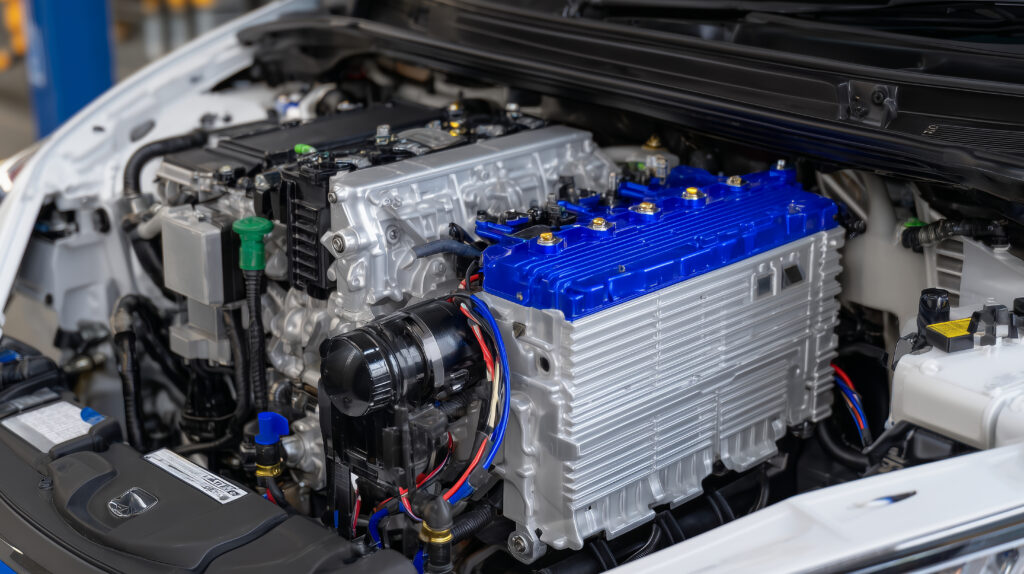
In a hybrid vehicle, the inverter converts high-voltage DC power from the battery into AC power to drive the electric motor. It also converts regenerative braking energy back into battery charge.
This process generates heat. A significant amount of it.
To manage this heat, most hybrids use a dedicated inverter cooling system separate from the engine’s cooling system. That system typically includes:
- An inverter coolant reservoir
- Coolant lines
- A small electric coolant pump
- A dedicated heat exchanger or radiator
The inverter coolant pump circulates coolant continuously when the hybrid system is active. If that circulation stops, temperatures inside the inverter rise quickly.
Unlike engine overheating, inverter overheating can happen even when the gasoline engine appears to run normally.
Why Inverter Pump Failures Are Often Silent
One of the most frustrating aspects of a hybrid inverter pump failure is that it doesn’t always trigger immediate dashboard warnings.
In many cases:
- The vehicle may drive normally at first
- No temperature gauge spike appears
- No steam or coolant smell is present
- No dramatic noise indicates failure
Instead, drivers may experience intermittent warning lights, reduced power, or a sudden shutdown of the hybrid system.
By the time an inverter overheating warning appears, temperatures may already be dangerously elevated.
This is why proactive inspection matters. Staying ahead of issues is a core part of proactive vehicle maintenance — especially for hybrid owners who rely on complex electrical systems.
Common Symptoms of Hybrid Inverter Cooling Failure
Even though early warnings can be subtle, there are signs Boise hybrid drivers should watch for.
Warning lights such as “Check Hybrid System” or master warning triangle, loss of electric-only mode functionality, reduced acceleration or limp mode activation, cooling fans running excessively loud, and intermittent power loss during stop-and-go driving are all potential indicators.
In more advanced failure cases, the vehicle may shut down completely to protect the inverter from catastrophic damage.
Because the inverter controls the electric motor output, sudden power reduction can feel alarming.
Why Boise Driving Conditions Increase Risk
Boise’s summer climate creates an elevated risk for hybrid cooling systems.
High ambient temperatures reduce heat dissipation capacity. Stop-and-go traffic increases inverter workload. Mountain elevation driving increases sustained electrical demand. Long idling periods in traffic limit airflow across heat exchangers.
Hybrid systems rely on steady coolant circulation to maintain safe inverter operating temperatures. When the inverter coolant pump weakens or stops functioning, Boise summer conditions accelerate overheating risk.
Unlike internal combustion overheating, which is often gradual, hybrid inverter overheating can escalate quickly. Boise drivers should also be aware of how summer heat affects overall vehicle performance — hybrid or not.
Prius Cooling System: A Known Vulnerability
Toyota Prius models, especially earlier generations, are known for inverter coolant pump failures.
In fact, certain Prius models were subject to recalls related to inverter pump malfunction. Even in non-recall vehicles, these pumps are considered wear items over time.
The Prius cooling system uses an electric pump rather than a belt-driven mechanical pump. Electric pumps can fail due to:
- Motor wear
- Electrical connection issues
- Internal bearing failure
- Coolant contamination
Because the inverter pump operates quietly, failure often goes unnoticed until symptoms appear. Owners of Toyota Prius models in Boise can learn more about Prius-specific repair and maintenance to stay ahead of known vulnerabilities.
How Technicians Diagnose Inverter Pump Failure
Proper diagnosis involves more than checking for warning codes.
Technicians verify coolant turbulence inside the inverter reservoir while the vehicle is in READY mode. A functioning pump creates visible fluid movement. No movement may indicate failure.
Diagnostic scanning tools monitor inverter temperature data in real time. If the temperature climbs excessively under normal load, pump failure becomes likely.
Electrical testing ensures the pump is receiving proper voltage and signal commands.
In some cases, the pump may operate intermittently, making an accurate diagnosis even more critical.
Guessing and replacing unrelated components can become expensive quickly.
Why Inverter Overheating Is So Serious
The inverter is one of the most expensive components in a hybrid vehicle. Replacement costs can reach several thousand dollars.
When inverter temperatures exceed safe limits, internal circuitry can suffer permanent damage. Repeated overheating events weaken electronic components even if immediate shutdown prevents catastrophic failure.
That’s why silent cooling pump failures pose such a risk. They may allow temperatures to rise repeatedly before triggering system protection.
Preventative pump replacement at high mileage is often far less expensive than inverter replacement.
Difference Between Engine Overheating and Hybrid Overheating
Traditional engine overheating typically involves:
- Rising temperature gauge
- Steam
- Coolant odor
- Boiling coolant
Hybrid inverter overheating, however, may show:
- Master warning light
- Check the hybrid system message
- Reduced the electric drive function
- Sudden limp mode
The gasoline engine temperature may remain normal while the inverter overheats.
That distinction confuses many drivers. If you’ve experienced unexpected temperature spikes, it helps to understand what happens when a car engine overheats — and why hybrid overheating can look and feel very different.
Preventative Maintenance for Hybrid Cooling Systems
Unlike engine coolant systems, inverter cooling systems are often overlooked during routine service.
Recommended preventative steps include:
- Regular coolant replacement according to manufacturer intervals
- Visual inspection of the inverter coolant reservoir turbulence
- Scanning for stored hybrid system codes
- Inspecting coolant condition for contamination
- Checking for pump recall eligibility
Boise hybrid owners who rely on their vehicles for daily commuting should consider inverter pump inspection after 100,000 miles, even if no warning lights are present.
Proactive maintenance reduces sudden failure risk during high-demand summer driving.
What Happens If the Pump Fails Completely?
If the inverter coolant pump stops functioning entirely, the hybrid system will typically enter protection mode.
You may experience:
- Limited power
- Forced gasoline engine operation
- Inability to accelerate normally
- System shutdown
In some cases, restarting the vehicle temporarily clears warnings, but overheating will return once the inverter temperature rises again.
Continuing to drive under these conditions increases the risk of permanent inverter damage.
Cost Expectations for Hybrid Inverter Pump Replacement
Compared to inverter replacement, coolant pump replacement is relatively affordable.
Costs vary based on vehicle model and labor access, but inverter pump replacement is generally considered preventative-level repair rather than catastrophic.
Because the pump is electrically controlled and integrated with hybrid electronics, proper installation and system bleeding procedures are essential.
Air pockets in the cooling system can mimic pump failure symptoms.
Why Early Diagnosis Saves Thousands
The difference between replacing a coolant pump and replacing an inverter is substantial.
A failing pump may cost a few hundred dollars to replace. A damaged inverter can cost several thousand dollars.
Hybrid systems are durable, but they depend heavily on proper cooling. Small failures in supporting components can escalate quickly.
Boise drivers who notice early hybrid warnings should avoid delaying diagnosis. Understanding hybrid battery health and replacement costs alongside cooling system care gives a fuller picture of what protects your hybrid long-term.
Frequently Asked Questions About Hybrid Overheating
What is a hybrid inverter pump failure?
It is the malfunction of the electric pump that circulates coolant through the inverter cooling system.
Can my hybrid overheat without the engine overheating?
Yes. The inverter can overheat independently of the gasoline engine.
Is Prius inverter pump failure common?
Yes. Certain Prius generations have documented inverter pump issues.
Will a warning light always appear immediately?
Not always. Early pump failure may not trigger instant warnings.
Can I keep driving if I see a hybrid system warning?
Driving is not recommended until the system is inspected to prevent inverter damage.
Protecting Your Hybrid in Boise’s Heat
Hybrid vehicles are highly reliable when properly maintained, but inverter cooling systems require awareness. Because inverter pump failures are often silent, waiting for dramatic symptoms is risky.
If you drive a Prius or other hybrid and notice warning messages, reduced electric performance, or unusual cooling fan behavior, have the system inspected promptly.
At Naylor’s Auto Repair in Boise, hybrid cooling systems are diagnosed using factory-level scan tools and real-time temperature monitoring. Identifying hybrid inverter pump failure early protects the inverter, preserves performance, and prevents sudden overheating events.
Boise’s summer heat places additional stress on hybrid systems. Ensuring proper inverter coolant circulation today can prevent costly electrical damage tomorrow. Schedule your hybrid inspection before summer heat puts your system at risk.