
Buying a used vehicle should feel exciting, not uncertain. Yet many buyers in Boise make purchase decisions based on appearance, a short test drive, and a seller’s reassurance. While those factors matter, they rarely tell the full story. A professional pre-purchase inspection in Boise is designed to uncover what a quick drive around the block simply cannot reveal.
Vehicles today are complex mechanical and electronic systems. They can run smoothly for 15 minutes while hiding developing engine issues, transmission wear, electrical faults, or structural damage underneath. A comprehensive used car inspection provides clarity before you commit your money, helping you avoid the financial stress that can follow a rushed decision.
If you are buying a used car in Boise, understanding what a true 125-point inspection includes can give you both negotiating power and peace of mind.
Why a Test Drive Doesn’t Tell the Whole Story
A test drive is useful, but it only scratches the surface. During a short drive, most vehicles will shift, brake, and accelerate normally. Even cars with serious mechanical issues can perform adequately for a brief period.
What a test drive cannot show you is what happens when the engine reaches full operating temperature after extended driving, when transmission fluid is tested under load, when suspension components are inspected under the vehicle, when electronic control modules are scanned for stored fault codes, and when cooling systems are pressure-tested.
Modern vehicles are built to compensate for early-stage problems. Sensors adjust performance, warning lights may have been recently cleared, and minor leaks may not leave visible signs during a driveway inspection.
A true pre-purchase inspection in Boise looks beyond how the vehicle feels in the moment and evaluates how it is likely to perform long term.
What a Real 125-Point Inspection Actually Involves
A thorough inspection is systematic and detailed. It evaluates the vehicle’s major systems not just for visible damage, but for signs of wear, neglect, or developing failure.
The engine is inspected for oil leaks, coolant condition, belt integrity, mount stability, and abnormal noises. Diagnostic tools are used to scan for active, pending, and stored fault codes. Live data readings allow technicians to see how sensors are performing in real time. Even if the check engine light is off, stored codes can reveal recent issues that may return.
The transmission is evaluated for fluid condition, delayed engagement, slipping under load, and electronic faults. Transmission issues are often subtle at first and may not appear until the vehicle is fully warmed up. Catching early warning signs can prevent expensive repairs later.
Brakes are examined beyond surface-level pad thickness. Rotors are inspected for warping, calipers for proper movement, and brake fluid for contamination. A seller may replace pads before listing a car, but deeper brake system wear may still exist.
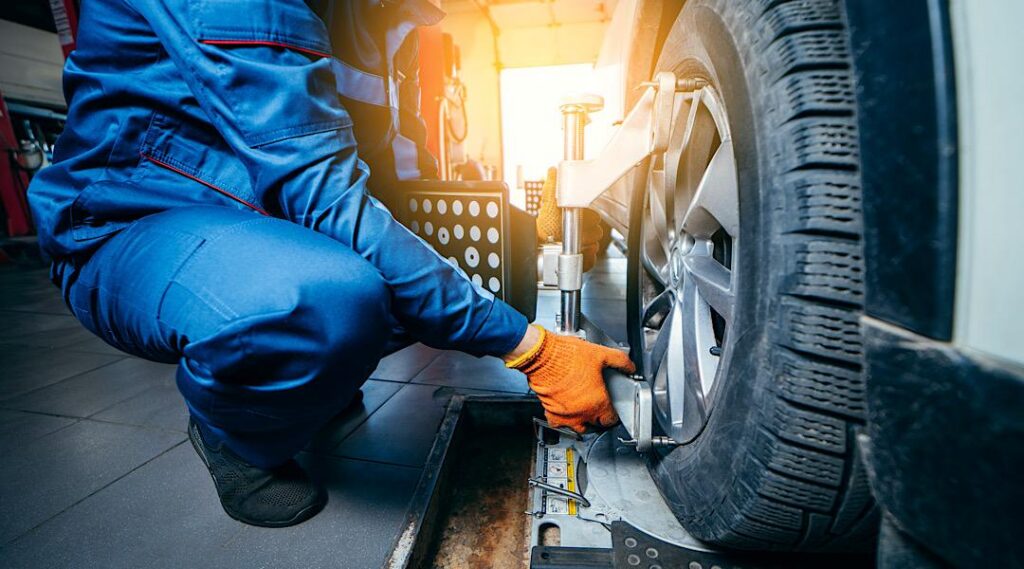
Suspension components such as control arms, ball joints, bushings, tie rods, and struts are inspected while the vehicle is lifted. These components affect safety, steering stability, and tire wear, yet they are nearly impossible to evaluate properly without raising the vehicle.
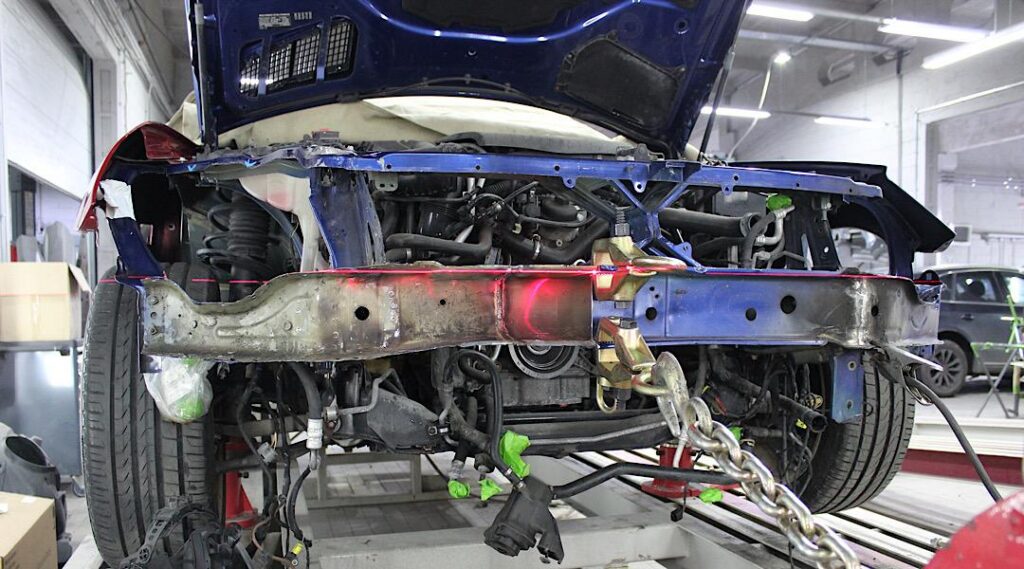
The inspection also includes an undercarriage assessment. This is where hidden rust, frame damage, previous accident repairs, and fluid leaks become visible. In Boise, winter moisture and road conditions can accelerate underbody wear, making this step particularly important.
Electrical systems are tested to ensure the battery, alternator, starter, and onboard modules are functioning properly. Modern vehicles depend heavily on electronics, and electrical faults can be expensive to diagnose after purchase.
Finally, a structured road test confirms performance under real-world conditions. Combined with diagnostic data and physical inspection, this creates a full mechanical picture.
What Inspections Often Reveal That Buyers Miss
Many buyers are surprised by what a professional inspection uncovers.
Oil leaks may be hidden beneath plastic engine covers. Transmission fluid may appear clean but show signs of overheating under testing. Suspension components may be near failure even if they do not yet produce noticeable noise.
Inspections frequently identify uneven tire wear, indicating alignment or suspension issues, early-stage coolant leaks, brake components approaching replacement thresholds, evidence of prior accident repair, electrical modules storing intermittent fault codes, aftermarket wiring modifications, and minor frame damage not disclosed by sellers.
These findings do not always mean you should walk away from a purchase. In many cases, they simply give you leverage to negotiate a fair price or prepare for upcoming maintenance.
The Financial Value of Pre-Purchase Inspections
A pre-purchase inspection is not about finding perfection. It is about understanding risk.
Major repairs can be expensive. Transmission replacement, engine repairs, electrical module failure, and suspension overhauls often cost far more than the price of an inspection.
Without an inspection, you are relying on trust and assumption. With an inspection, you are making a decision based on verified information.
In many cases, inspection findings allow buyers to negotiate price adjustments, request seller repairs before purchase, walk away from high-risk vehicles, or budget for known maintenance.
Spending a small amount upfront for a used car inspection often prevents thousands of dollars in unexpected repairs.
Boise-Specific Factors to Consider
Local driving conditions in Boise introduce unique wear patterns.
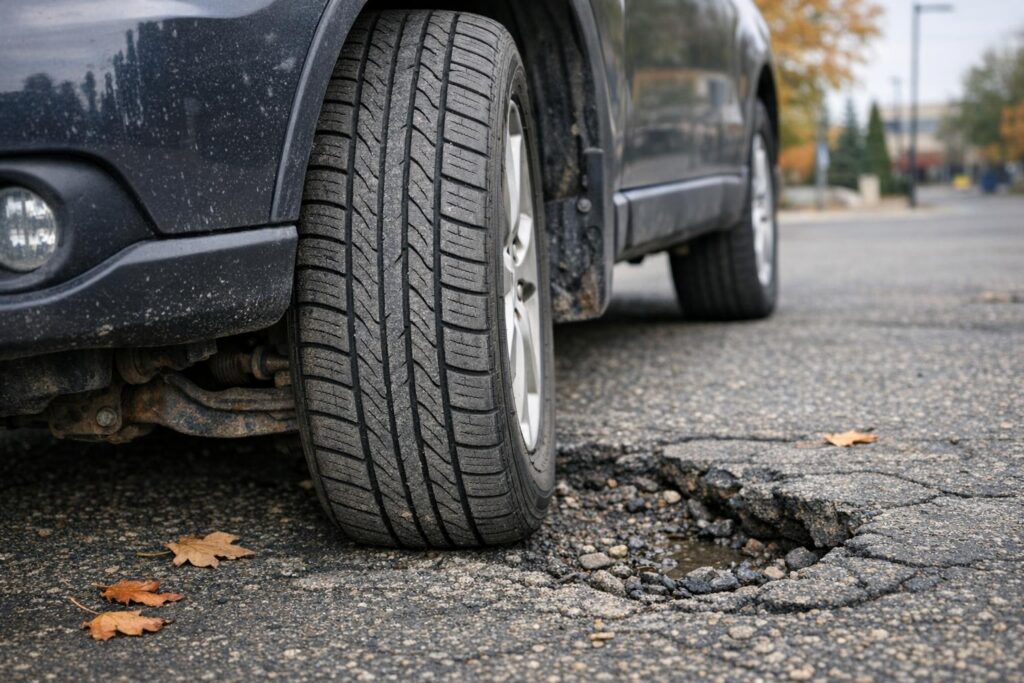
Winter freeze-thaw cycles can contribute to undercarriage corrosion. Potholes may affect alignment and suspension. Rural highway commuting increases mileage stress. Trucks used for towing may experience accelerated drivetrain wear.
A local pre-purchase inspection in Boise accounts for these regional factors. Technicians familiar with Idaho conditions know where to look and what common issues to expect.
Dealer vs Private Seller: Why Inspection Still Matters
Some buyers assume dealership vehicles are thoroughly vetted. While dealerships often perform safety checks, their inspections are typically designed to meet minimum resale standards, not to provide detailed mechanical forecasting.
Private seller vehicles present even greater variability. Maintenance history may be incomplete or undocumented.
Regardless of where you purchase, an independent inspection provides an objective evaluation.
If a seller resists allowing an inspection, that hesitation should raise concern.
When to Schedule the Inspection
Timing matters. Ideally, schedule a pre-purchase inspection before finalizing payment or transferring ownership. If buying from a dealership with a limited return window, arrange an inspection as early as possible.
The inspection typically takes one to two hours, depending on vehicle condition and complexity.
Frequently Asked Questions About Pre-Purchase Inspection in Boise
Is a pre-purchase inspection worth it for a low-mileage car?
Yes. Low mileage does not guarantee proper maintenance or absence of prior damage.
Can inspections detect previous accidents?
While not all accidents are detectable, inspections often reveal signs of structural repair or inconsistent bodywork.
Will the inspection guarantee the vehicle won’t need repairs?
No inspection can predict every future issue, but it significantly reduces uncertainty and identifies current concerns.
What if the inspection finds problems?
You can negotiate repairs, adjust price expectations, or choose to walk away.
Buy With Confidence, Not Guesswork
Purchasing a used vehicle is a major decision. A clean exterior and smooth test drive do not tell the full mechanical story. A detailed pre-purchase inspection in Boise gives you objective information so you can move forward with clarity.
At Naylor’s Auto Repair, comprehensive used car inspections are designed to protect buyers from costly surprises. If you are buying a used car in Boise, schedule a professional inspection before you commit. Making an informed decision today can save you significant stress and expense tomorrow.