
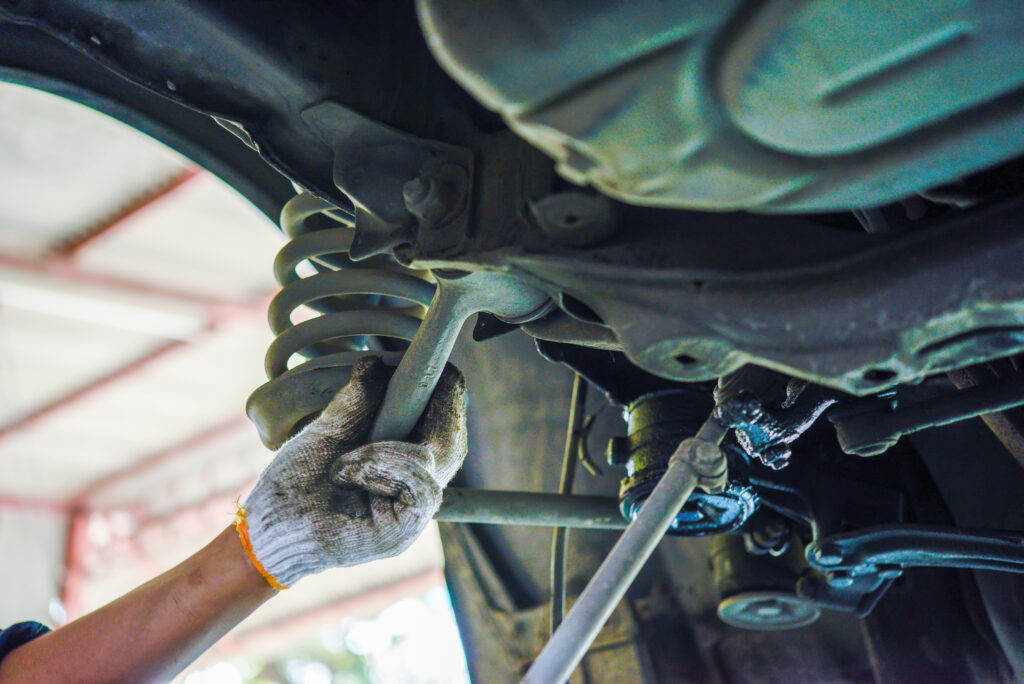
A spring wheel alignment in Boise is one of the most overlooked but important maintenance services after winter. Snow, potholes, ice ruts, and repeated curb contact during slick conditions gradually shift suspension angles out of factory specification. Even if your vehicle feels mostly normal, winter road stress can cause subtle alignment changes that lead to uneven tire wear, reduced fuel efficiency, and premature suspension component failure.
A spring alignment check allows drivers to correct these small deviations before they turn into costly problems. In Boise, where freeze-thaw cycles and expanding potholes are common from December through March, alignment inspections are not just preventative — they are practical.
This guide explains how winter roads affect steering geometry, how misalignment damages tires, and why early-season inspection protects your vehicle heading into warmer months.
What Wheel Alignment Actually Adjusts
Wheel alignment refers to adjusting the suspension geometry that controls how your tires contact the road. It does not involve adjusting the tires themselves. Instead, technicians measure and calibrate three primary angles:
- Camber – The inward or outward tilt of the tire when viewed from the front of the vehicle.
- Toe – The direction the tires point relative to each other when viewed from above.
- Caster – The steering pivot angle that influences stability and cornering.
When these angles fall outside manufacturer specifications, your vehicle may:
- Pull to one side
- Wear tires unevenly
- Feel unstable at highway speeds
- Respond inconsistently while turning
Modern alignment systems use digital measurement equipment to compare current angles to factory standards.
Why Boise Winters Create Alignment Problems
Boise’s winter climate is defined less by deep snow and more by fluctuation. Repeated freezing and thawing causes pavement expansion and contraction. Water enters cracks in asphalt, freezes overnight, and expands — eventually creating potholes.
Winter driving hazards that contribute to alignment shifts include:
- Deep potholes
- Frost heaves
- Ice ridges
- Slippery road edges
- Snow-covered curbs
- Gravel accumulation from traction treatments
Even a single hard pothole impact can bend suspension components slightly or alter alignment settings.
Drivers often underestimate how easily alignment can be affected. Suspension systems are designed for controlled flexibility, but repeated shock loads gradually move components out of position.
How Potholes Affect Suspension Geometry
When your vehicle strikes a pothole, the force transfers directly into:
- Control arms
- Tie rods
- Ball joints
- Struts
- Steering rack components
The impact can compress or slightly shift these parts. Even minor movement changes alignment angles.
For example:
- A bent tie rod can alter toe alignment.
- Control arm stress can affect camber angle.
- Strut tower movement may influence the caster.
These changes are often small enough that drivers adapt without noticing immediately — but tire wear begins right away.
The Relationship Between Alignment and Uneven Tire Wear
When alignment is off, tires no longer meet the road evenly. Instead of distributing load across the full tread, the contact patch shifts.
Common wear patterns caused by misalignment include:
Inside Edge Wear – Often caused by excessive negative camber. The inner tread wears significantly faster than the outer edge.
Outside Edge Wear – Often linked to positive camber or underinflation combined with misalignment.
Feathering – A sawtooth pattern across the tread is typically caused by improper toe settings.
Rapid Shoulder Wear – Indicates persistent angle misalignment combined with aggressive driving conditions.
Uneven tire wear shortens tire lifespan and reduces traction. Once abnormal wear patterns develop, they cannot be reversed.
A simple wheel alignment in Boise can prevent thousands of miles of lost tread life.
Signs You Need a Spring Alignment Check
After winter, drivers should watch for these symptoms:
- Steering wheel pulling left or right
- The steering wheel is not centered when driving straight
- Vibrations at highway speed
- Increased road noise
- Decreased fuel efficiency
- Uneven tread depth between tires
Some vehicles show obvious pulling. Others simply feel “off” or slightly loose.
If you hit multiple potholes this winter, an inspection is advisable even if symptoms seem minor.
The Hidden Cost of Ignoring Alignment Issues
Many drivers postpone alignment because the vehicle still drives.
However, misalignment creates long-term expenses:
- Premature tire replacement
- Increased rolling resistance
- Reduced fuel efficiency
- Suspension component stress
- Compromised braking stability
Replacing a full set of tires costs significantly more than a preventative spring alignment check.
Even a few degrees of toe misalignment can reduce tire life by thousands of miles.
Why Spring Is the Ideal Time for Alignment in Boise
Spring offers the ideal maintenance window because:
- Winter road damage has accumulated
- Pothole season peaks in early spring
- Many drivers rotate or replace tires in spring
- Summer travel increases mileage
Performing alignment before heavy seasonal driving ensures maximum tire longevity.
Boise drivers planning road trips, towing, or extended highway driving should prioritize alignment inspection.
Alignment and Fuel Efficiency
When wheels are misaligned, tires drag slightly rather than roll straight. This increases rolling resistance.
Effects include:
- Higher fuel consumption
- Reduced highway efficiency
- Increased engine strain
Correct alignment improves vehicle tracking and reduces unnecessary friction.
While the fuel savings per tank may seem small, they accumulate over time.
Suspension Wear and Winter Driving
Winter impacts do not only affect alignment angles. They also accelerate wear in:
- Ball joints
- Bushings
- Struts
- Tie rods
- Wheel bearings
If worn suspension components are not addressed, alignment adjustments will not hold.
During a spring alignment check, technicians inspect these components to ensure adjustments can be maintained properly.
Boise-Specific Road Conditions That Contribute to Misalignment
Boise’s road system presents unique alignment stress factors:
- Expansion joints on major highways
- Rural road edge drop-offs
- Snowplow scraping
- Debris from winter traction materials
- Construction-related surface transitions
Urban drivers may also experience curb impacts during icy parking maneuvers.
Even minor curb contact can alter toe alignment.
What Happens During a Professional Alignment Check
A professional wheel alignment in Boise includes:
- Suspension inspection
- Tire wear assessment
- Digital measurement of camber, caster, and toe
- Adjustment to factory specifications
- Steering wheel centering
- Road test verification
Modern alignment systems use laser or camera-based measurement systems to ensure precision.
The process typically takes one to two hours.
When to Schedule Alignment After Winter
You should consider a spring alignment check if:
- It has been over 12 months since your last alignment
- You replaced suspension components
- You installed new tires
- You hit a major pothole
- Your vehicle drifts slightly while driving
Alignment is particularly important for:
- Trucks
- SUVs
- All-wheel-drive vehicles
- Performance vehicles
Heavier vehicles often experience more pronounced alignment shifts after pothole impacts.
Protecting Your Tire Investment
Tires represent a significant maintenance investment. Many Boise drivers install new tires in the spring.
Aligning wheels immediately after installation:
- Ensures even wear
- Maximizes tread lifespan
- Protects manufacturer warranties
- Improves ride comfort
Failing to align new tires can lead to early edge wear within months.
Alignment and Safety
Beyond tire wear, alignment directly impacts vehicle safety.
Proper alignment ensures:
- Predictable steering response
- Stable braking performance
- Even tire contact during emergency maneuvers
- Balanced cornering
Misalignment can increase stopping distance in wet or uneven road conditions.
With spring rain common in Boise, proper alignment improves traction and stability.
Frequently Asked Questions About Wheel Alignment in Boise
How often should I get a wheel alignment in Boise?
Most vehicles benefit from an annual alignment inspection, particularly after winter driving.
Can potholes really affect steering alignment?
Yes. Even a single pothole impact can shift suspension angles enough to cause uneven tire wear.
Does uneven tire wear always mean alignment is off?
Uneven wear is commonly caused by misalignment, though worn suspension components can also contribute.
How long does a spring alignment check take?
Most alignment services take between one and two hours, depending on vehicle condition.
Should I align my vehicle after installing new tires?
Yes. Performing alignment immediately after new tire installation protects tread life and ensures proper wear.
Start Spring with Straight Steering
Boise winters may not always appear severe, but road damage accumulates quietly. Potholes, curb impacts, frost heaves, and surface deterioration gradually shift alignment angles out of specification. Over time, those minor deviations create uneven tire wear, reduced fuel efficiency, and compromised steering stability.
Scheduling a wheel alignment in Boise each spring is a practical, preventative step that protects your tires, enhances safety, and improves driving performance. Addressing alignment early prevents more expensive repairs later in the year.
Naylor’s Auto Repair provides professional spring alignment checks using advanced digital equipment to restore factory specifications and ensure your vehicle drives straight and safely. If your steering feels slightly off or your tires show signs of uneven wear, contact Naylor’s Auto Repair to schedule your spring alignment check and head into the season with confidence.