
It’s that time of year again: winter weather is coming, and it’s coming fast. Are you (and your car) ready for the perils of driving on snowy, icy, and just plain cold roads? Here are a few winter driving tips to keep you safe and cozy this season!
Maintenance Matters for Winter Driving
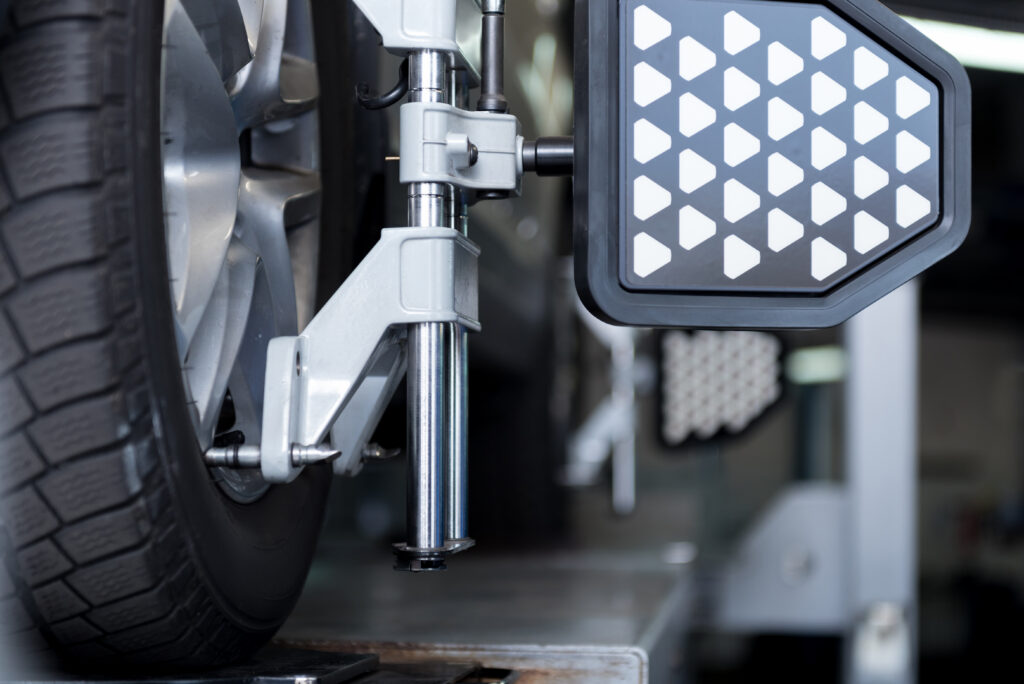
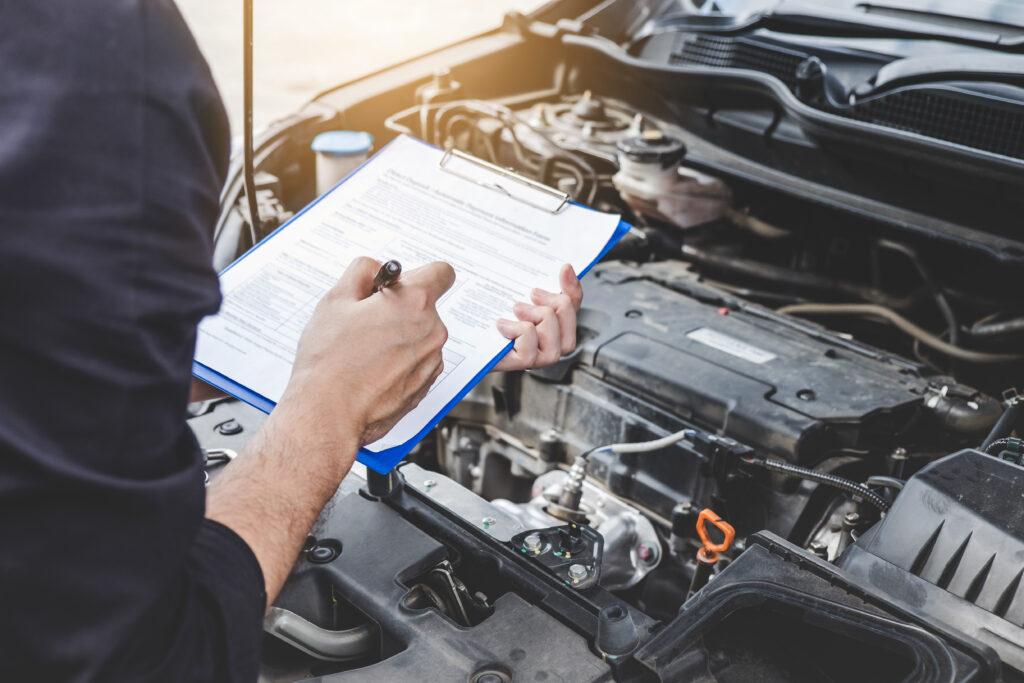
Believe it or not, the first–and perhaps the most important–winter driving tip isn’t about “driving” at all. It’s all about proper car service and maintenance. You don’t want to be driving over a snowy mountain to visit family for the holidays, only to suddenly remember that your car hasn’t been serviced in a while–and that it’s starting to act up. So grab your keys and head down to your mechanic for a little vehicle TLC. You, your passengers, and your car will all thank you!
Drive Like a Pro With These Tips
Tip #1: Know your vehicle
No two vehicles handle winter driving in the same way. That’s why it’s best to get a little practice-time in before terrible weather starts to hit. Avoid main roads so you can take your time navigating snow, ice, and your car’s specialized settings and features.
Tip #2: Pack an emergency kit
In all honesty, you need two emergency kits: one for you and one for your car. The one for you should have equipment like flashlights, bandages, blankets, food, water, and a phone charger, while the one for your car should include jumper cables and other troubleshooting gear.
Tip #3: Check everything out
Tires, windshield wipers, fluids, lights, belt & hose–everything needs to be given a quick but regular check before you start on a long winter’s drive.
Are you looking for more winter driving tips? Need car service and maintenance to help prepare for bad weather? Contact us today!
Winter Driving FAQs
Perhaps the most important winter driving tip isn’t about driving at all. It’s about getting proper car service and maintenance before you head out in winter weather.
Pack two kits: one for you with items like flashlights, bandages, blankets, food, water, and a phone charger, and one for your car with jumper cables and other troubleshooting gear.
Give your tires, windshield wipers, fluids, lights, and belts and hoses a quick but regular check before starting a long winter drive.
No two vehicles handle winter driving the same way, so practice before bad weather hits. Avoid main roads so you can take your time navigating snow, ice, and your car’s specialized settings and features.