There is something uniquely freeing about a summer road trip out of Boise. Whether you are heading toward McCall, Stanley, Sun Valley, the Oregon Coast, Yellowstone, or simply exploring the backroads of Idaho, summer travel means long highway stretches, mountain passes, heavy traffic, and high temperatures.
But while planning routes and packing coolers gets most of the attention, preparing your vehicle often gets rushed — or skipped entirely.
A proper road trip car inspection in Boise can prevent breakdowns, overheating, tire blowouts, and unexpected delays hundreds of miles from home. Summer heat, elevation changes, and extended highway speeds place stress on systems that may have performed fine during everyday commuting.
Before you leave town, here is a practical, reassuring checklist to ensure your vehicle is ready for safe and reliable travel.
Why Summer Driving Is Harder on Your Vehicle
Summer conditions create a unique set of mechanical demands.
High temperatures reduce cooling efficiency. Long highway drives increase engine load. Mountain passes strain transmissions and braking systems. Stop-and-go construction zones raise operating temperatures. Heavily loaded vehicles add stress to suspension and tires.
Even a vehicle that feels perfectly normal during short Boise commutes may reveal weaknesses under extended summer driving conditions.
Preventive summer car maintenance helps identify those weaknesses before they become roadside emergencies.
Start with the Cooling System
Overheating is one of the most common summer road trip failures.
Idaho’s summer heat, combined with highway speeds and elevation climbs, can expose cooling system problems quickly.
Before leaving, ensure coolant levels are correct, the coolant is clean and not rusty or contaminated, radiator hoses are firm and not swollen or cracked, cooling fans operate properly, and there are no visible leaks.
If your temperature gauge has ever fluctuated in traffic or on long climbs, address it before traveling.
An overheating engine in the middle of a mountain pass is not just inconvenient — it can cause serious engine damage.
Check Your Tires Carefully
Tires are your only contact with the road, and they take significant punishment during summer travel.
High pavement temperatures increase internal tire pressure. Long highway drives generate heat buildup. Underinflated or worn tires are far more likely to fail in these conditions.
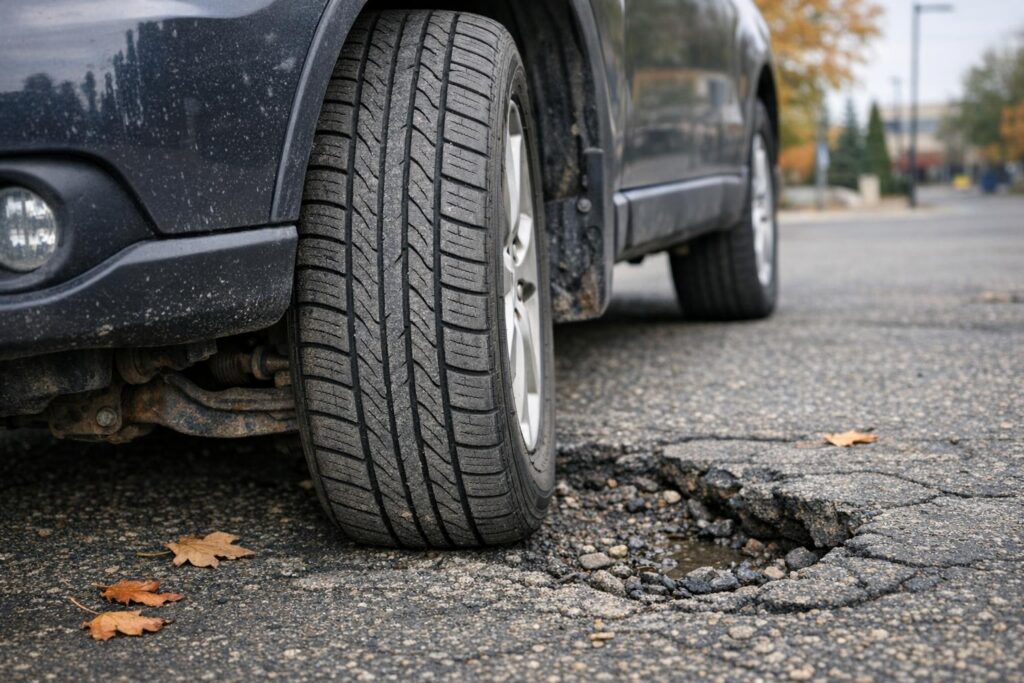
Inspect tread depth. Look for uneven wear patterns. Check for sidewall cracking or bulges. Confirm tire pressures are set to manufacturer specifications — not simply “what feels right.”
Also, inspect your spare tire. Many drivers forget to check the spare pressure until they need it.
A proper vehicle safety check in Boise should include a full tire inspection before departure.
Test the Battery
Hot weather is surprisingly hard on batteries.
Many people associate battery failure with winter cold, but summer heat accelerates internal chemical breakdown. If your battery is more than three to five years old, testing it before a road trip is wise.
Signs of battery weakness include slow cranking, dim lights, or electrical irregularities. If you’re unsure about your battery’s health, find out how to tell if your battery is dying before it leaves you stranded on a rural Idaho highway.
A quick test can prevent being stranded at a gas station in rural Idaho.
Inspect Brakes Before Mountain Driving
Boise road trips often include mountain routes. Descending long grades places heavy demand on braking systems.
If you hear squealing, grinding, or feel vibration while braking, have it inspected before leaving.
Brake pad thickness, rotor condition, and brake fluid health should all be evaluated.
Brake fade on a mountain descent is dangerous — and preventable.
Verify Fluid Levels and Condition
Fluids are the lifeblood of your vehicle. Long-distance travel requires them to be clean and properly filled.
Check engine oil level and condition. Inspect transmission fluid for proper color and level. Verify brake fluid is clear and at the correct level. Confirm power steering fluid is adequate. Top off windshield washer fluid for dusty highways and bug splatter.
If you are near your next oil change interval, consider completing it before the trip rather than after.
Fresh oil helps engines run cooler and more efficiently during long drives.
Pay Attention to Warning Lights
If a warning light has appeared recently — even if it turned off — do not ignore it before a road trip.
Modern vehicles store fault codes even when warning lights disappear. A minor sensor issue at home can escalate into a drivability problem under highway stress.
Check engine lights, battery warnings, temperature alerts, or tire pressure warnings should all be addressed before departure.
Proactive diagnostics prevent reactive repairs.
Don’t Overlook the Air Conditioning System
Boise summer road trips often mean hours in hot weather.
If your A/C struggles at idle or takes too long to cool the cabin, have it evaluated before departure. Cooling system issues and A/C performance are sometimes connected.
Driving long distances without reliable climate control can turn a family road trip into a stressful experience quickly.
Inspect Belts and Hoses
Rubber components degrade over time.
Serpentine belts should be free of cracks or fraying. Hoses should feel firm but not brittle. Leaks around connections should be investigated.
A broken belt can disable your alternator, water pump, or power steering system instantly.
These are small inspections that prevent big problems. Knowing how to check for belt and hose damage before a long trip is one of the simplest ways to avoid a preventable breakdown.
Evaluate Suspension and Steering
Long highway stretches and uneven rural roads reveal suspension weaknesses.
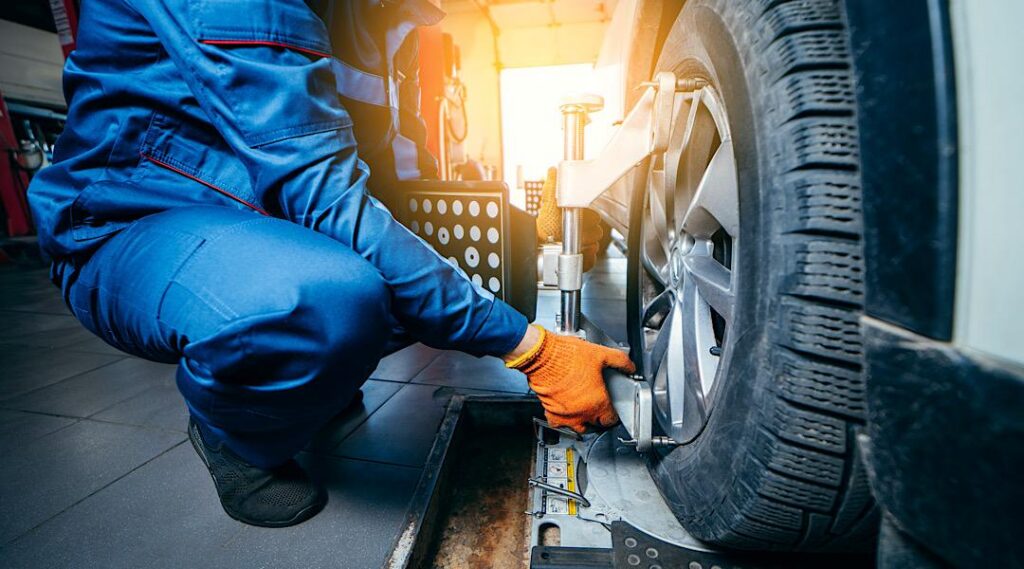
If your vehicle pulls to one side, vibrates at speed, or feels unstable over bumps, have steering and suspension components inspected.
Loose tie rods, worn ball joints, or failing shocks affect both comfort and safety.
For families heading into mountain terrain, stable steering is essential.
Prepare for Towing or Heavy Loads
If your road trip includes towing a camper or boat, or if you are loading the vehicle heavily, additional checks are necessary.
Confirm weight ratings are not exceeded. Verify transmission cooling system health. Inspect trailer brake connections. Check hitch integrity. Ensure tire pressures are adjusted appropriately for load.
Heavy loads amplify existing mechanical weaknesses.
Pack an Emergency Kit
Even with proper preparation, unexpected situations can occur.
Carry water, basic tools, jumper cables, a flashlight, first aid supplies, and roadside contact information.
While preparation reduces breakdown risk, being equipped increases peace of mind.
A Quick Pre-Departure Checklist
Before you leave Boise, confirm:
Cooling system inspected
Oil level and condition verified
Tires are properly inflated and inspected
Brakes evaluated
Battery tested
Fluids topped off
Warning lights addressed
A/C functioning properly
Belts and hoses inspected
Spare tire ready
A professional road trip car inspection in Boise can review these items efficiently.
Why Preventive Maintenance Saves Vacation Time
Many drivers delay maintenance because the vehicle “feels fine.”
However, highway driving exposes marginal components. A weak cooling fan that works around town may fail during a long uphill climb. A borderline battery may struggle after repeated rest stops. Worn tires may overheat after hours on hot asphalt.
Preventive service is about eliminating uncertainty.
The cost of inspection is minimal compared to towing, emergency repairs, lost reservations, or disrupted travel plans.
Frequently Asked Questions About Summer Car Maintenance
When should I schedule a road trip inspection?
Ideally, one to two weeks before departure to allow time for repairs if needed.
Is summer maintenance different from winter prep?
Yes. Summer focuses on cooling systems, tires, and heat-related stress rather than cold-start concerns.
Can I rely on dashboard gauges alone?
Not always. Many systems fail before triggering visible warnings.
How long does a vehicle safety check take?
Most inspections can be completed in under an hour.
Is it necessary for newer vehicles?
Even newer vehicles benefit from inspection, especially before long-distance travel.
Leave Boise with Confidence
Summer road trips are meant to create memories — not mechanical stress.
Before heading out toward Idaho’s mountains, lakes, or neighboring states, investing in summer car maintenance provides reassurance that your vehicle is prepared for the journey ahead.
At Naylor’s Auto Repair in Boise, comprehensive vehicle safety checks are designed to identify small issues before they become travel disruptions.
Schedule your road trip car inspection before you leave town, and start your adventure knowing your vehicle is as ready as you are.