Treasure Valley roads do something different to your steering in every season, and the damage arrives on a schedule. Frost heave in December is a different mechanism from a pothole in March, which is different again from three hundred miles of chip seal in May. Naylor’s Auto Repair has watched the same cycle repeat in Boise since 1992, so this is a calendar rather than a list of symptoms: what the roads are doing, when to have the alignment checked, and what you should feel in between.
Print it, or set four reminders. The point is to have the check done in the window after the damage happens and before the tires pay for it.
How to use this calendar
Each window below has a cause, a check date, and a symptom set. If you notice the symptoms early, move the check forward. If you drive fewer than a few thousand miles a year and stay on arterials, you can treat the spring and autumn windows as the two that matter and skip the rest.
| Window | What the roads do | Check |
|---|---|---|
| Nov to Jan | First freezes, frost heave, ice ruts | Before the first hard freeze |
| Feb to Mar | Thaw cycles open potholes | After the first pothole hits |
| Apr to May | Gravel, chip seal, construction season | Late spring, with tire rotation |
| Jun to Aug | Highway miles, heat, towing loads | Before a long trip |
| Sep to Oct | Settled roads, pre-winter window | With the winter tire changeover |
November to January: the first freeze window
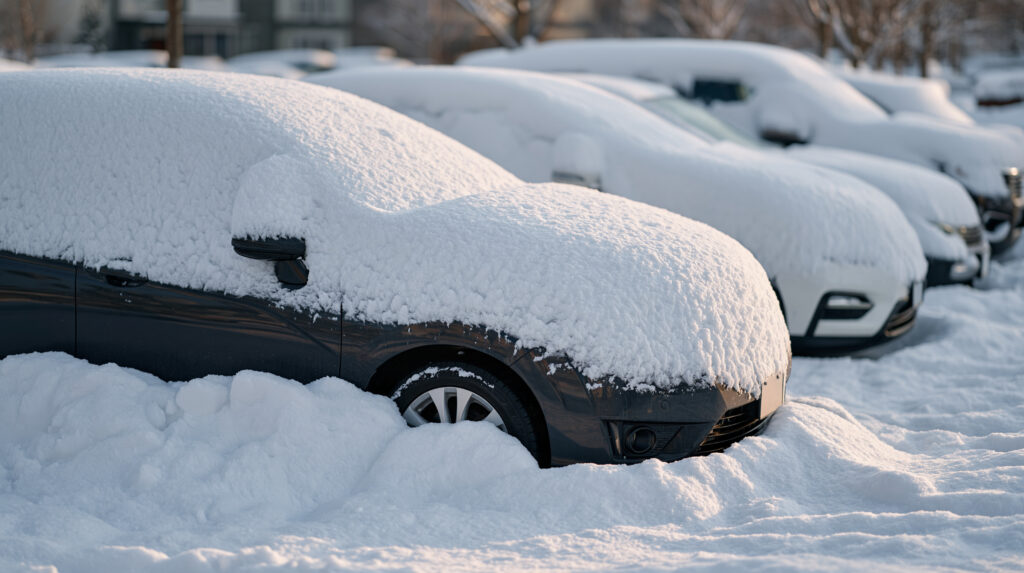
Cold weather does not knock a car out of alignment on its own. What it does is expose alignment that was already marginal, because ice ruts, frozen berms at intersections and hard-frozen expansion joints hit the suspension without any give in the road surface. A car that tracked acceptably in October starts pulling in December.
Watch for a steering wheel that sits off-center on a straight road, and for the car wandering in ruts rather than tracking through them. Getting this checked before the first hard freeze is its own subject, and it is covered in winter wheel alignment in Idaho.
February to March: thaw and pothole season
This is the worst window in the valley. Water gets into pavement cracks, freezes overnight, expands, thaws in the afternoon, and repeats until the surface fails. Potholes appear in days, often in the same locations year after year, and they arrive when the roads are wet and hard to read.
A single hard hit can knock out alignment, bend a wheel, or damage a tire’s internal structure, and those three feel similar from the driver’s seat. Telling them apart takes measurement, which we walk through in how shops tell wheel damage from alignment issues. Have the car checked after a hit that was hard enough to make you wince, not at the end of the season.
April to May: gravel, chip seal and construction
As the weather settles, the valley goes to work on its roads. Chip seal, lane shifts, temporary surfaces and uneven milled pavement all put sustained sideways and vertical loads through the suspension, and spring is also when many drivers switch back off winter tires.
This is the natural window to combine an alignment check with a tire rotation, because the technician has the wheels off anyway and any uneven wear from the winter is visible. Why winter roads specifically throw steering off is covered in spring alignment checks in Boise.
June to August: highway miles and loads
Summer moves the risk from impact to accumulation. Long trips at speed make small alignment errors expensive, because a tire that scrubs slightly wears steadily for six hundred miles instead of six. Heat raises tire pressures and softens compounds, which amplifies the effect.
Loads matter too. A vehicle carrying gear, a rooftop cargo box or a trailer sits lower at the rear, and ride height is part of the geometry. If you are towing, the pre-trip work is broader than alignment, and our guide to towing prep for Idaho summers covers the rest. For general trip preparation, see the preventive checklist before you leave town.
September to October: the pre-winter window
Roads are at their best, the weather is predictable, and shops are not yet busy with winter work. This is the easiest time of year to get an alignment done properly and the best value for the visit, because the correction carries you through the season that causes the most damage.
Pair it with the winter tire changeover. Uneven wear discovered now is still correctable; the same wear discovered in March means new tires.
The symptoms that override the calendar
Any of the following means book a check now, whatever month it is.
- The steering wheel is not centered when the car is going straight.
- The car pulls consistently to one side on a flat, level road.
- The steering feels loose, vague, or slow to return after a turn.
- Tire wear is uneven across the tread, or the front tires are wearing noticeably faster than the rear.
- You felt a hard impact and something changed afterwards.
Reading the tread is the fastest diagnostic a driver can do without tools, and the patterns are laid out in our tire wear patterns checklist. How often the average Boise driver actually needs this done is covered in how often you should get a wheel alignment, and what the service costs is in our Boise wheel alignment cost guide.
Frequently Asked Questions
How often should a Boise driver get an alignment checked?
For most drivers here, once a year covers it, scheduled in the autumn window. Add a check after any hard pothole hit, after new tires, and after suspension work. Drivers who regularly leave pavement or who commute on roads under construction benefit from twice a year.
Do potholes always cause misalignment?
No. Many impacts do nothing measurable. Others bend a wheel or damage a tire without changing the alignment angles at all. The reason to have it checked after a hard hit is that the three outcomes feel similar and only one of them is free to ignore.
Is a check the same as an alignment?
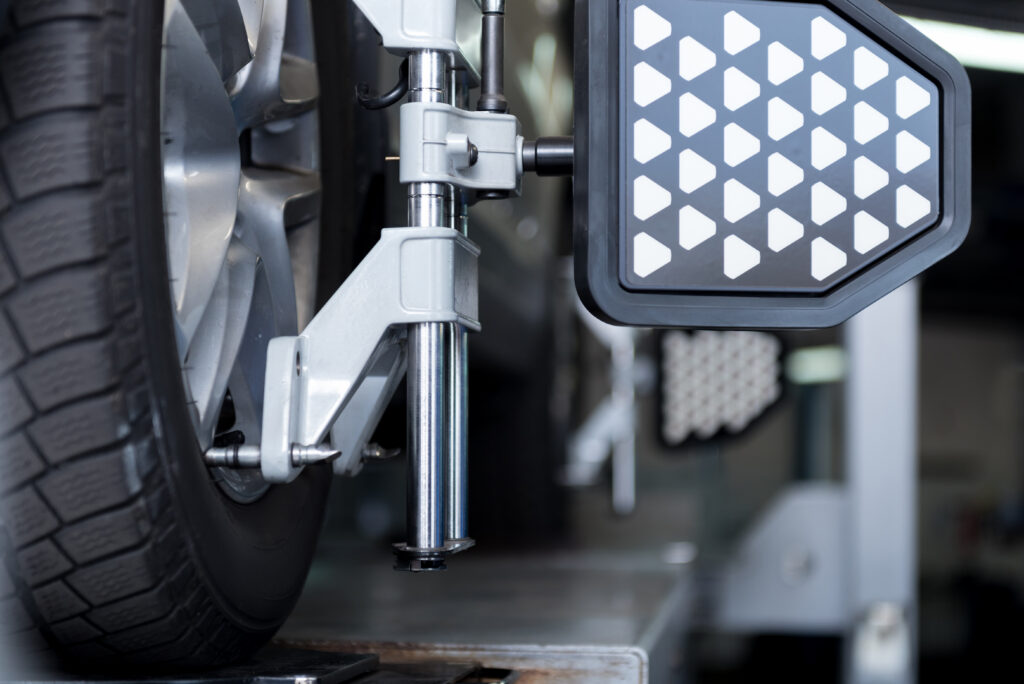
No. A check puts the vehicle on the rack and measures the current angles against the manufacturer’s specification. If the readings are in range, nothing is adjusted. Ask what the shop charges for the measurement and whether it applies toward the adjustment if one is needed.
Does a wheel alignment help in snow and ice?
It helps with control. A correctly aligned vehicle tracks predictably and responds the way the driver expects, which matters more on a low-traction surface than on dry pavement. It does not substitute for appropriate tires.
Should I align before or after buying winter tires?
After fitting them, so the new tires start life with the geometry correct and wear evenly through the season.
Book the check in the right window
Timing is most of the value here. An alignment done in October protects the tires you already paid for through the season that would have ruined them. See our wheel alignment services for what the visit involves, and contact Naylor’s Auto Repair to get on the schedule before the first freeze.